WHAT TO EXPECT
South African football is in the middle of its biggest revival in twenty years. After years of heartbreak and missing major tournaments, Bafana Bafana has climbed back into the top 50 in the FIFA (International Federation of Association Football) rankings, while young local stars are finally earning moves to competitive European leagues.
Yet, while fans are excited, a big question remains: are we truly ready to become a regular force in world football, or is this just another temporary high?
How Hugo Broos Changed Bafana Bafana
The turning point for the national team started when Belgian coach Hugo Broos took charge. Instead of picking famous veteran names on reputation alone, Broos trusted hungry young players and built a united squad with clear tactical roles.
That bold plan paid off when South Africa claimed a bronze medal at the Africa Cup of Nations (AFCON). Historic moments, like captain Ronwen Williams saving four penalties against Cape Verde and finishing 9th in the world at the prestigious Ballon d'Or Yashin Trophy, proved that local players can compete on the global stage under the South African Football Association (SAFA) banner.
The New Generation: Why European Scouts Are Watching
For years, very few South Africans played in top European competitions. Today, that picture is slowly shifting as teenage talent breaks through.
Wingers like Relebohile Mofokeng (who joined Belgian side Royale Union Saint-Gilloise) and Shandre Campbell (KV Kortrijk) are proving that early departures can fast-track development. Instead of waiting until age 25, these young players are testing themselves against European defenders while still in their late teens.
Belgium's Jupiler Pro League has become the favourite launchpad for South Africans, offering high-level coaching, European cup exposure, and a clear pathway toward top leagues in England, France, and Germany.
Why Do South African Players Struggle to Move to Europe?
If our country has so much raw football talent, why do only a few players secure contracts overseas each season? The answer comes down to three practical hurdles:
- The PSL Comfort Trap: The Premier Soccer League (PSL), known officially as the Betway Premiership, pays top salaries by African standards. Star players can earn between R200,000 and R500,000 per month, which makes moving to a modest European club for lower net pay far less appealing.
- High Transfer Valuations: Local clubs often demand over R40 million (€2 million to €3 million) for domestic talent. European scouts can easily find players in West Africa or South America with similar ability at half that price.
- Work Permit Rules: Strict visa systems in countries like the United Kingdom require national teams to maintain high FIFA rankings before handing out automatic sports work permits.
Is the PSL Developing World-Class Talent?
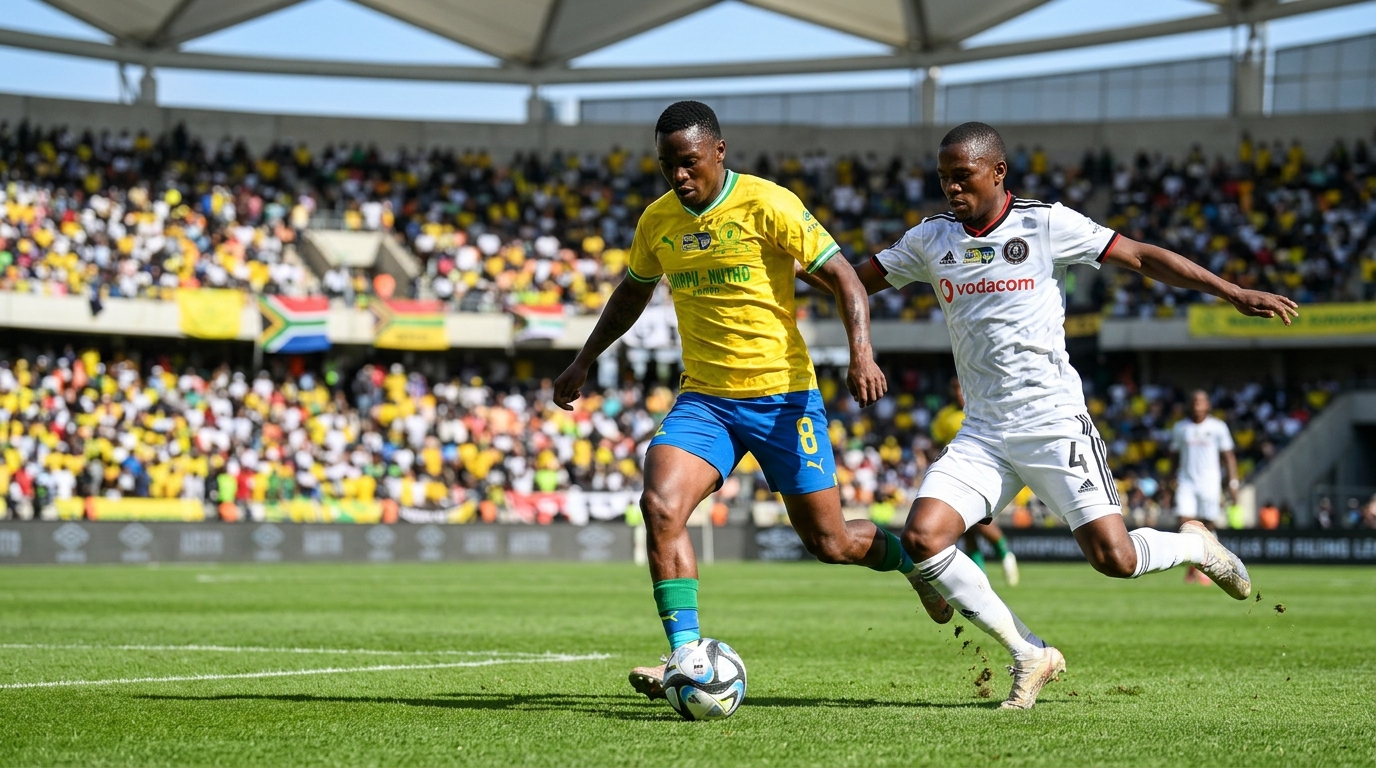
The domestic league produces exceptional flair and exciting one-on-one dribblers. Continental success from clubs like Mamelodi Sundowns in the Confederation of African Football (CAF) Champions League proves that our top clubs have elite resources and deep squads.
However, the gap between domestic football and the international arena remains wide. In the PSL, matches often have a slower pace with lots of time on the ball, whereas modern international football demands intense physical pressing, rapid transition speed, and strict defensive shape.
| Football Area | Current South African Reality | What Is Needed to Compete Globally |
|---|---|---|
| National Team | Climbed into FIFA Top 50; strong AFCON results | Consistent qualification for FIFA World Cup knockout rounds |
| Player Exports | Small wave of talent in Belgium and England | 5 to 10 regular starters in Europe's top 5 leagues |
| Domestic League | Well-funded PSL, but dominated by one or two clubs | Faster match tempo and greater tactical discipline across all 16 teams |
| Youth Academies | Scattered private academies and school tournaments | Standardized national grassroots coaching from age 10 onwards |
What South Africa Needs to Stay at the Top
South Africa has the fan passion, stadium infrastructure, and athletic potential to lead the continent. To match the world-class winning standards set by South African rugby, football administrators must invest heavily in grassroots coaching from primary school age.
If local clubs continue encouraging young players to take European opportunities early, South African football will no longer just spark temporary excitement. It will cement our place as a genuine global force on the pitch.