WHAT TO EXPECT
- Highest paying engineering jobs in South Africa
- 1. Mining Engineer
- 2. Petroleum Engineer
- 3. Chemical Engineer
- 4. Electrical Engineer
- 5. Process Engineer
- 6. Metallurgical Engineer
- 7. Mechanical Engineer
- 8. Structural Engineer
- 9. Civil Engineer
- 10. Industrial Engineer
- Why do engineering salaries vary so much?
- Does becoming a Pr Eng increase your salary?
- Which engineering job pays the most?
By The Clarified Editorial Team.
Engineering is one of those careers where the money can get pretty good once you have the right qualification, experience and skills.
But not all engineering jobs pay the same.
So, if you’re thinking about studying engineering and wondering which engineering jobs pay the most in South Africa, here’s a look at some of the highest paying options.
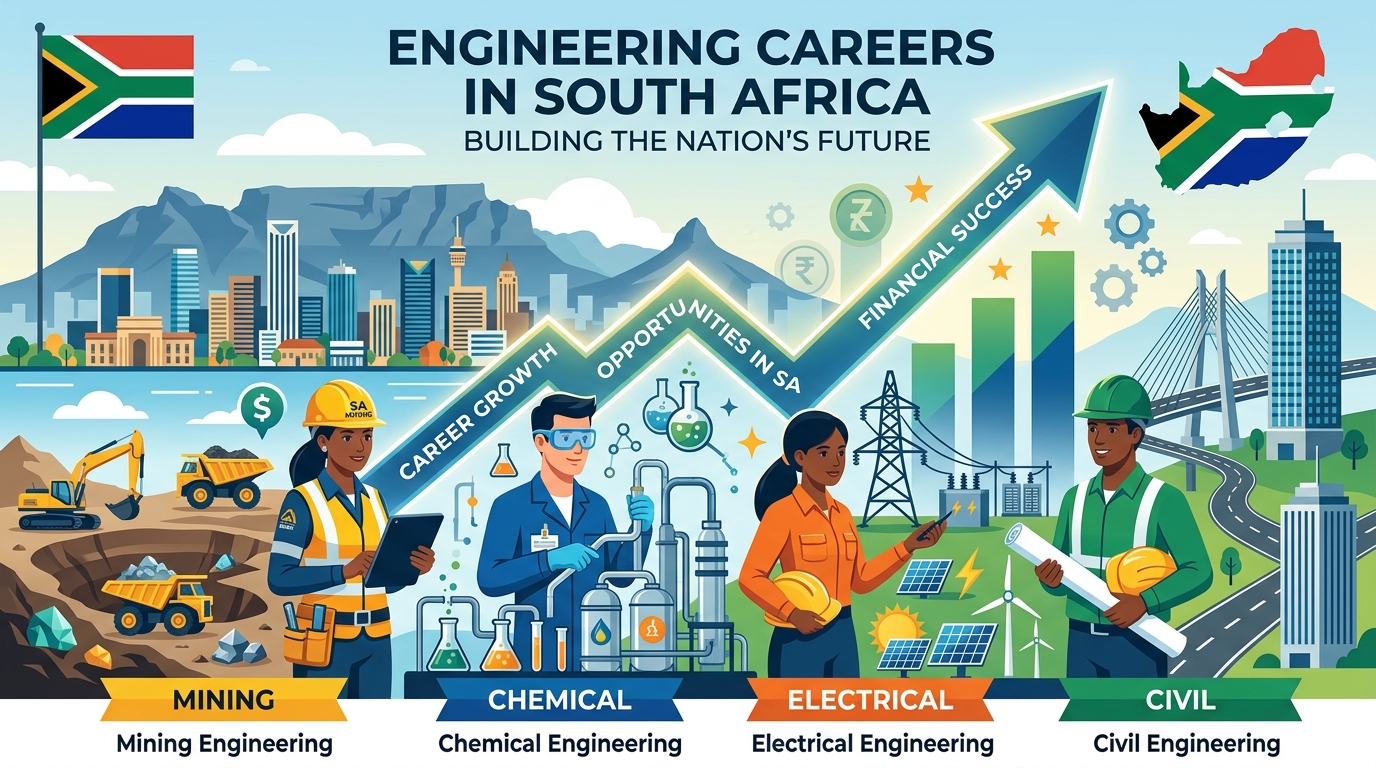
Highest paying engineering jobs in South Africa
| Rank | Engineering job | Typical salary range per month |
|---|---|---|
| 1 | Mining Engineer | R30,000 – R130,000+ |
| 2 | Petroleum Engineer | R35,000 – R150,000+ |
| 3 | Chemical Engineer | R30,000 – R120,000+ |
| 4 | Electrical Engineer | R30,000 – R120,000+ |
| 5 | Process Engineer | R30,000 – R120,000+ |
| 6 | Metallurgical Engineer | R30,000 – R135,000+ |
| 7 | Mechanical Engineer | R30,000 – R110,000+ |
| 8 | Structural Engineer | R28,000 – R110,000+ |
| 9 | Civil Engineer | R28,000 – R105,000+ |
| 10 | Industrial Engineer | R28,000 – R100,000+ |
Note: These are estimated monthly salary ranges, not guaranteed salaries. What you earn depends on your experience, employer, industry, location, qualifications and professional registration. Senior and specialist engineers can earn well above the normal range, while graduates will usually start much lower. Salary sources also use different methods, so there isn’t one official salary figure for every engineering job.
1. Mining Engineer
Salary: R30,000 – R130,000+ per month
Mining engineers plan and manage mining operations.
They work out how minerals can be extracted safely and efficiently, while dealing with things like mine design, equipment, production and safety.
South Africa has a massive mining industry, so there is good demand for people with the right skills.
The salary can increase a lot as you gain experience and move into senior or specialist positions.
2. Petroleum Engineer
Salary: R35,000 – R150,000+ per month
Petroleum engineers work with oil and gas.
They help find, extract and produce oil and natural gas, as well as designing ways to make the extraction process more efficient.
It’s a very specialised field, which is one reason experienced petroleum engineers can earn a lot.
The downside is that the South African market is much smaller than fields like mining, civil or electrical engineering.
3. Chemical Engineer
Salary: R30,000 – R120,000+ per month
Chemical engineers work out how to turn raw materials into useful products on a large scale.
They can work in industries such as mining, chemicals, manufacturing, energy, food and pharmaceuticals.
It’s not just about mixing chemicals in a lab. A lot of the work involves designing and improving industrial processes.
4. Electrical Engineer
Salary: R30,000 – R120,000+ per month
Electrical engineers work with electricity, power systems, electrical equipment and infrastructure.
In South Africa, they can work in mining, manufacturing, construction, energy, telecommunications and renewable energy.
It’s also a pretty flexible engineering career because electrical systems are needed across a lot of industries.
5. Process Engineer
Salary: R30,000 – R120,000+ per month
Process engineers focus on how things are made.
They look for ways to make industrial processes safer, cheaper and more efficient.
You can find process engineers working in mining, manufacturing, chemicals, energy, food production and other industries.
Basically, if a company has a complicated process that needs to run properly, a process engineer can be involved.
6. Metallurgical Engineer
Salary: R30,000 – R135,000+ per month
Metallurgical engineers work with metals and materials.
They look at how metals are extracted, processed and improved so they can be used in different products.
This is particularly useful in South Africa because of the country’s mining and mineral-processing industries.
It’s also a fairly specialised career, so experienced people with the right skills can earn very well.
7. Mechanical Engineer
Salary: R30,000 – R110,000+ per month
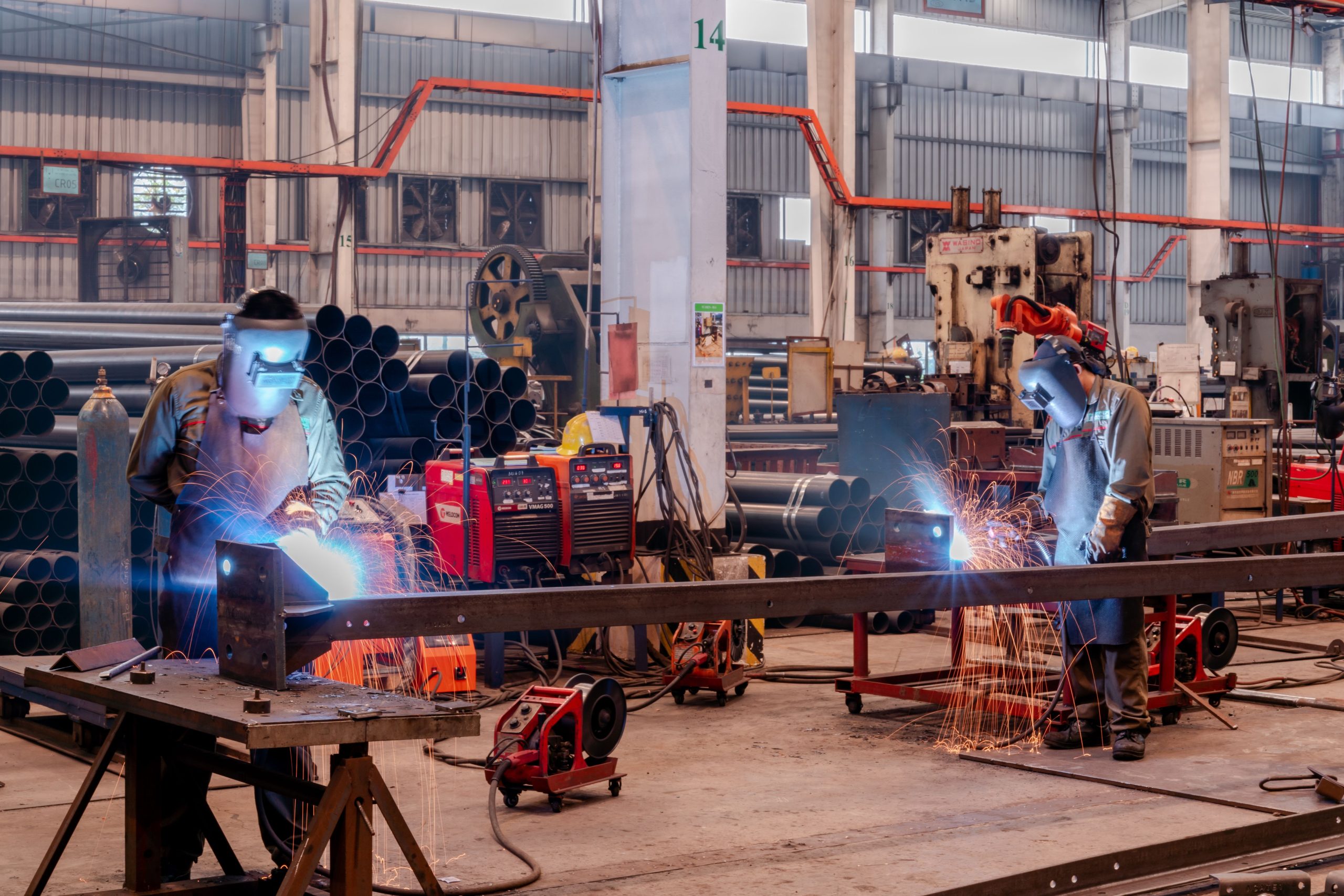
Mechanical engineering is one of the most flexible engineering careers.
You can work with machines, vehicles, manufacturing equipment, mining equipment, energy systems, robotics and plenty of other things.
It’s also a good option if you’re not sure exactly which industry you want to work in because mechanical engineers are needed in so many places.
8. Structural Engineer
Salary: R28,000 – R110,000+ per month
Structural engineers make sure buildings, bridges and other structures are strong enough to handle the forces placed on them.
They deal with things like loads, materials, foundations and structural design.
Basically, they’re doing the calculations that help make sure a building or bridge can actually stand up.
9. Civil Engineer
Salary: R28,000 – R105,000+ per month
Civil engineers are behind a lot of the infrastructure we use every day.
Think roads, bridges, dams, water systems, airports and major construction projects.
It’s one of the broadest engineering careers, so there are plenty of different areas you can move into.
10. Industrial Engineer
Salary: R28,000 – R100,000+ per month
Industrial engineers focus on making systems work better.
They look at production, logistics, costs, workflows and efficiency.
Instead of designing one machine, they might look at an entire production system and figure out how to make it faster, cheaper or more efficient.
Why do engineering salaries vary so much?
You might see one website saying an engineer earns R40,000 a month and another saying R60,000.
That doesn’t necessarily mean one of them is wrong.
Different salary websites collect their information differently. Some use job advertisements, some use salaries reported by workers and others use total compensation, which can include bonuses and other benefits.
Your own salary can also change depending on:
- Your experience
- Your qualification
- Your employer
- Your location
- The industry you’re working in
- Your specialisation
- Your level of responsibility
- Whether you’re professionally registered
So don’t look at a salary range and assume you’re going to start on the highest number.
You won’t.
A graduate engineer will normally earn much less than someone who has been working for 10 or 15 years.
Does becoming a Pr Eng increase your salary?
It can help with career progression, but becoming a Pr Eng isn’t an automatic salary increase.
Pr Eng means Professional Engineer.
In South Africa, the Engineering Council of South Africa (ECSA) is responsible for registering professional engineers.
Getting registered isn’t as simple as getting your engineering degree. You need an appropriate engineering qualification, practical experience and professional development before going through ECSA’s registration process.
Professional registration also allows engineers to take professional responsibility for certain engineering work within their area of competence.
If you’re planning to make engineering your career, it’s definitely something worth working towards.
Which engineering job pays the most?
There isn’t one perfect answer because salary data changes depending on the source, experience and industry.
However, mining, petroleum, chemical, electrical, process and metallurgical engineering can all offer strong earning potential, particularly once you become experienced or move into specialist and senior positions.
And remember, these aren’t salaries you should expect straight after university.
Engineering is a long game.
You get the qualification, gain experience, build your skills and take on more responsibility. That’s where the bigger paychecks usually start coming in.
So if you’re choosing an engineering degree, don’t just ask “Which one pays the most?”
Also ask “Which one can I actually see myself doing?”
Because engineering is not an easy degree. If you’re going to spend years studying it, you might as well choose something you can actually see yourself doing.
Sources
Sources: Engineering Council of South Africa (ECSA), Indeed South Africa, PNet salary data, PayScale South Africa and other South African salary-market data.
ECSA describes itself as the statutory body established under the Engineering Profession Act and says its role includes regulating the engineering profession and registering engineering practitioners. (Engineering Council of South Africa)
ECSA — Professional Engineer registration
Read Next: Why Your Phone Knows So Much About You